


Online sports betting has shot up to become a multi-billion-dollar industry, but if you look a little deeper, it’s not just about folks hitting the jackpot. The real story is the tech working behind the scenes, quietly powering the whole operation.
Think back a decade. Betting on a match usually meant tracking down a physical bookmaker, waiting in a line and handing over cash. Fast forward to today: You can pull out your phone on your couch in Cape Town at 11pm on a Tuesday and bet on whether a team scores before halftime, with live odds reloading every second and your payout showing up before the final whistle.
That kind of jump didn’t just happen because people wanted it. It happened because online sports betting tech has raced ahead, sometimes it’s moving faster than the games themselves.
A market growing at a serious clip
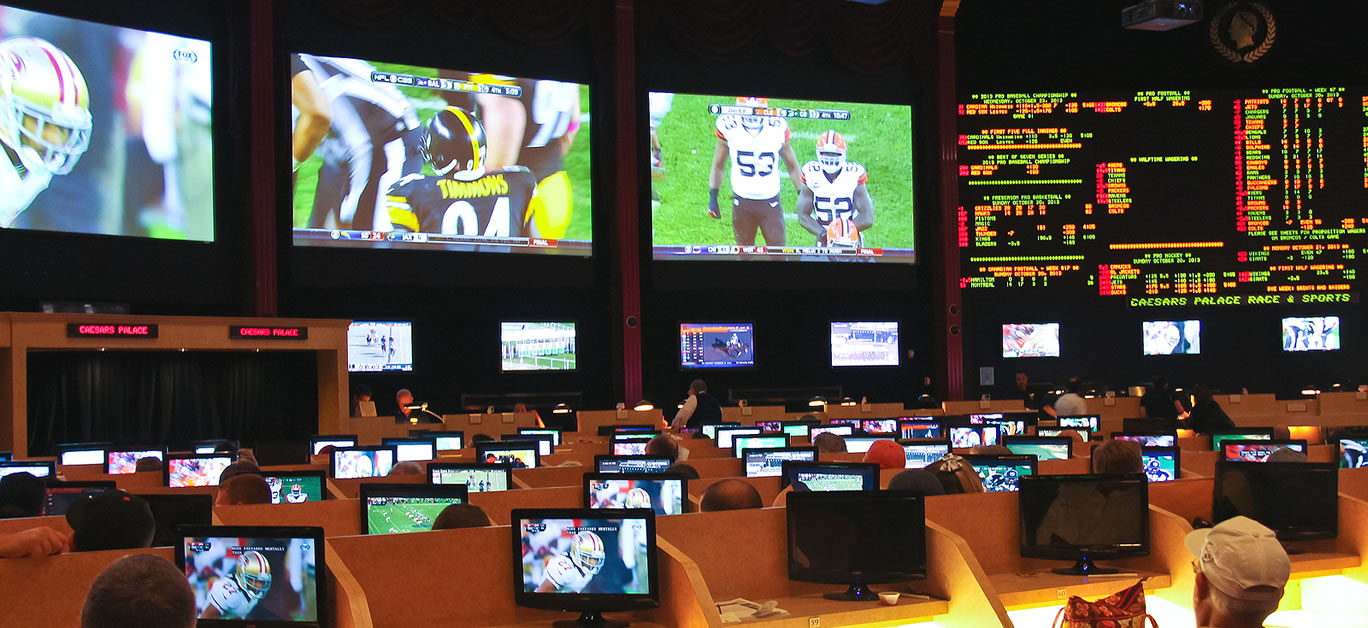
Let’s look at some numbers, the picture gets really clear once you see them. Back in 2025, the global online sports betting market hit about $155 billion, according to Yahoo Finance. By 2030, analysts expect it could reach a staggering $256 billion. That’s not a sideline, it’s a huge change in the way people connect with sports.
The driving force behind this surge? Mobile. The mobile segment alone hit $82.24 billion in 2025. Think about it: A big chunk of today’s bettors have placed every single wager from their phones; they’ve never stood in line at a betting shop in their lives. So it’s natural that companies are pouring resources into making their mobile apps slick, fast and easy.
Localization and why one size doesn’t fit all
One thing that rarely gets enough attention is how much platforms change based on region. A betting site built for Londoners just won’t cut it in Johannesburg or Lagos. The local sports, the way payments work and what promotions pull people in, it’s all different.
Look at Betway, for example. They give users in South Africa exactly what works for them: A broad menu of sports betting options, casino games and virtual sports, plus local promos and payment choices. But to pull that off, Betway has had to invest in local data hosting, regional compliance, and integrating every payment method South Africans actually use.
Real-time data is the engine under the hood
If there’s a heart of this technology, it’s real-time data processing. “Live” or in-play betting has gone from a fun extra to the main attraction on most major platforms. Optimove’s research shows that more than half the players in the US, UK and Europe, over 54%, now go straight for live bets, throwing their money down while the match is still going.
But to make all that work? The platforms need to grab data straight from official sports feeds, process it, shift the odds and update everything for millions of users, all in the blink of an eye. Delay that for even a second, and bets either cost the operator money or tick off the users. You just can’t afford either one at this scale.
What’s actually happening behind the scenes
So if you dig into the nuts and bolts, what does the tech stack actually look like? At a high level, a few pieces work in concert. Everything starts with data feeds and APIs. Platforms buy access to official sports data, integrating directly with leagues and stadiums. They get stats on everything; player numbers, ball control and possession rates, in mere milliseconds, and push this into automated pricing systems.
The cloud is where it all scales. When tens of millions tune in for something like the Super Bowl and suddenly flood a platform, the systems need to flex instantly. Cloud-native infrastructure makes this possible, with auto-scaling servers, distributed databases and clever load balancers absorbing the surge.
The rise of prediction markets and what it signals
Something new is bubbling up as well: Prediction markets. These let people bet on real-world events using regulated financial contracts, a different angle from your standard sports bet. FanDuel and DraftKings both launched prediction market products in late 2025 in five states, aiming to expand across the US in 2026.
This isn’t just a gimmick. The thinking is, if you base betting on regulated, event-driven contracts, technology originally built for finance, you can get sports fans involved even in places where traditional betting is still banned. To do this, the platforms rely on CFTC-regulated derivatives tech, which is a whole new world for this sector.
Responsible gambling through tech
Of course, no full picture would be honest without looking at responsible gambling, the tech aimed at protecting users from doing damage to themselves. Features like deposit limits, time-out tools and pop-up reminders have become a standard part of the industry.
Operators aren’t just checking compliance boxes anymore; they’re baking these features deep into the platforms to build long-lasting relationships and stay on the regulators’ good side.