

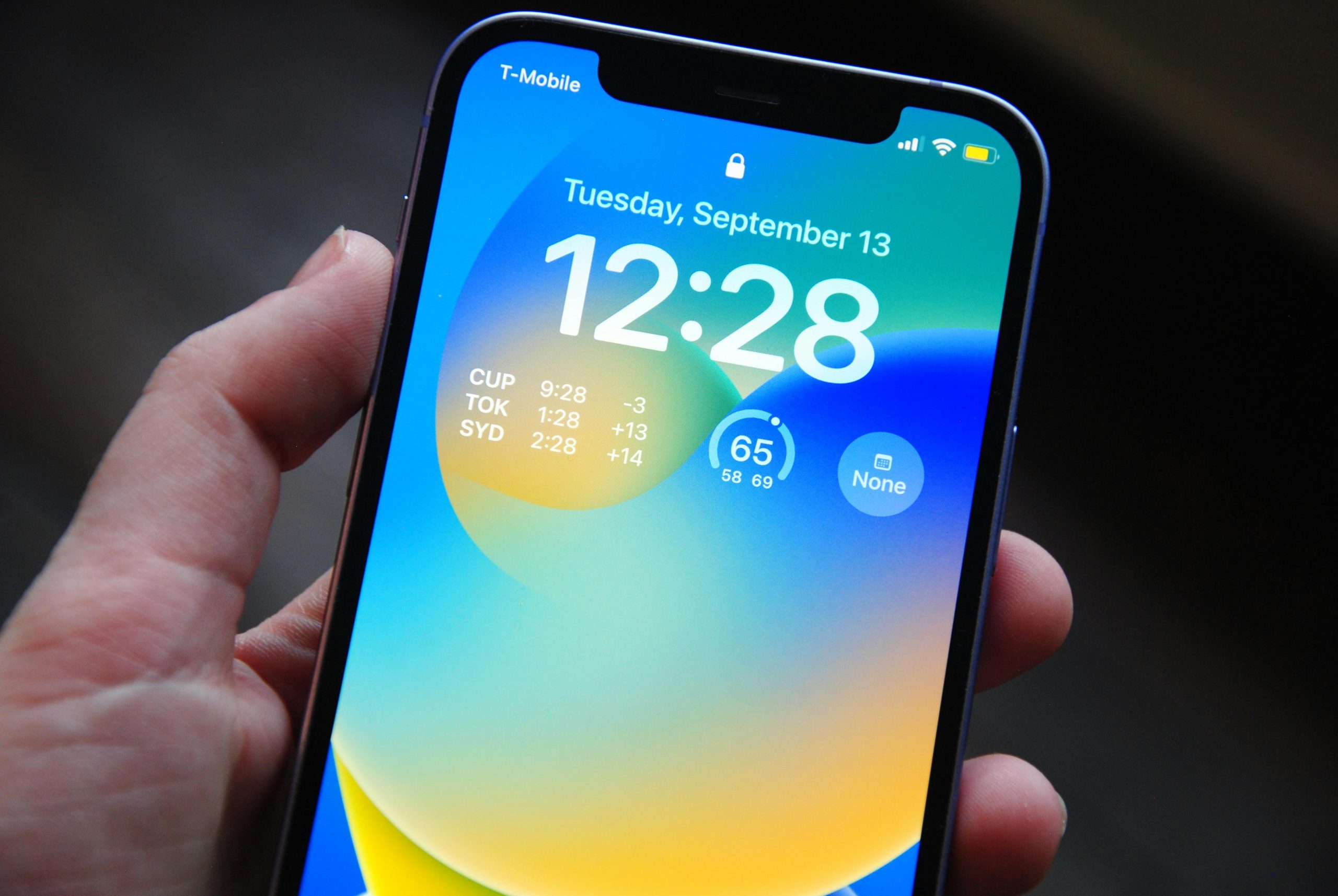
Mobile apps have become the main way many people use online services. From checking messages to streaming video or opening a game, most of that now happens on a phone. The same pattern shows up in gaming platforms too, where access often begins with a familiar sign-in screen.
In the middle of all that, something like a jackpot city mobile login sits alongside many other everyday logins people use without thinking much about it.
What has changed over the years is not the idea of signing in, but how that process fits into daily use. Mobile devices pushed platforms toward faster access, saved sessions and fewer steps between opening an app and reaching the main screen. That shift has shaped how people move between services, devices and accounts.
From Passwords to Persistent Sessions
Early online services relied almost entirely on usernames and passwords entered every time. That made sense when people mostly used desktop computers and logged in less often. Mobile use changed that pattern. Phones are opened many times a day, often for short bursts and repeating the same steps quickly becomes a barrier.
To deal with this, many platforms moved toward persistent sessions. In simple terms, an app remembers a user after the first login and keeps them signed in unless there is a reason not to. This is now common across email apps, streaming services, social platforms and work tools.
From a technical point of view, this involves stored tokens and session checks rather than full password entry every time. From a user’s point of view, it just feels faster. You open the app and you are already in. That expectation has become normal, especially on mobile.
Why Mobile-First Access Changed User Expectations
Phones did more than shrink screens. They changed how often and how briefly people use apps. Many sessions last only a few minutes, sometimes only seconds. That makes speed and convenience more important than they were in the desktop era.
There is a broader reason this shift keeps accelerating. Recent global figures show that more than 60 percent of all web traffic now comes from mobile devices. For many users, the phone is no longer a secondary way to get online. It is the main one.
At the same time, usage has moved away from browsers and into apps. In markets like the United States, estimates suggest that around 90 percent of mobile media time is now spent inside apps rather than web browsers. That puts extra pressure on login systems to stay out of the way.
This is why features like saved logins, remembered devices and quick re-entry have become standard. They are part of what makes mobile services usable at the pace people expect.
Mobile Casinos and Account-Based Access
Online casino platforms follow the same technical patterns as many other app-based services. They rely on accounts, saved sessions and device-based access to make repeat visits practical on a phone. In that sense, they are not very different from streaming apps or social platforms.
The key point is not the content itself, but how access is handled. A user might move between devices, open an app for a short time, close it and come back later. Systems like a jackpot city mobile login exist within that wider approach to mobile access, where the aim is to make returning to an account straightforward without repeating the full sign-in process every time.
From a platform perspective, this also helps keep experiences consistent. Preferences, settings and account details stay tied to the user rather than the device. That matters more on mobile, where people often switch networks and locations.
This model also explains why account systems are now so central to mobile gaming in general. Whether the platform is focused on casual games, multiplayer titles, or casino-style content, the technical need is the same. Users expect to open an app and continue where they left off.
Security and Convenience on the Same Screen
Making access easier does not remove the need for security. When apps stay signed in by default, platforms need other ways to check that the person using the device is still the right one.
This is where ideas like trusted devices, extra verification steps and session limits come in. Many systems now look at things like location changes or new devices before allowing full access. Some checks happen in the background, while others ask for confirmation when something looks different from normal use.
From a design point of view, this is always a balance. Too many checks slow things down. Too few increase risk. Modern mobile login systems try to sit in the middle, keeping everyday access smooth while still watching for situations that need closer attention.
This balance is not unique to gaming or casino platforms. It is the same problem faced by banking apps, email services and workplace tools. Mobile access made speed essential, but it also made account protection more visible.
Mobile login systems have become a basic part of how people use apps, not just a gate at the start. They shape how often services are opened and how easily users move between devices. Gaming platforms, including casino services, fit into that same pattern rather than sitting outside it.
As phones continue to be the main way people go online, login systems will keep doing quiet work in the background. When they work well, they simply make access feel normal and quick.